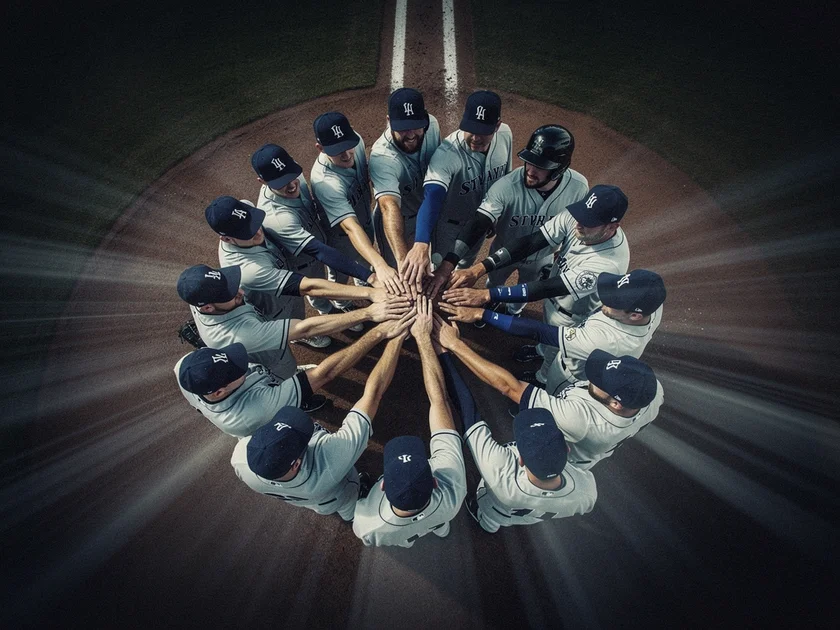
Los Angeles Angels 2026 Spring Training Outlook and Roster Watch
The Los Angeles Angels enter the final stretch of 2026 spring training with more roster uncertainty than most AL West rivals — and the advanced metrics from camp are worth unpacking. March 24 finds the Halos still sorting through outfield depth, rotation questions, and a lineup that ranked near the bottom of the American League in wRC+ last season. The gap between Anaheim and the division’s top clubs is real, and it shows up in the numbers.
Breaking down the advanced metrics from Cactus League action, the Angels’ contact quality has been inconsistent. Exit velocity and barrel rate figures from spring have not signaled a dramatic offensive turnaround. Based on available data, the numbers suggest the club’s lineup construction still leans heavily on a handful of veterans while younger options compete for bench and platoon roles.
Where the Los Angeles Angels Stand in the AL West Race
The Los Angeles Angels sit at the bottom of a loaded AL West division entering 2026, trailing the Houston Astros, Texas Rangers, Seattle Mariners, and Oakland Athletics in projected win totals across most preseason models. That division context matters enormously — even a 10-win improvement might not push Anaheim into playoff contention without help from rivals stumbling.
Tracking this trend over three seasons, the Angels have posted losing records since 2022 despite carrying one of the sport’s highest payrolls relative to on-field production. The front office brass has cycled through roster configurations, but the underlying WAR totals for the projected 2026 roster remain below the playoff threshold. Salary cap implications from long-term deals continue to limit flexibility in free agency and trade negotiations, making roster construction a puzzle with fewer pieces than the Angels would prefer.
Stay in the game
Get the latest MLB news and analysis delivered to your inbox.
The AL West is arguably the sport’s most competitive division right now. Houston’s rotation depth, Seattle’s pitching infrastructure, and Texas’s power in the lineup all present obstacles. For Anaheim, the margin for error in April is essentially zero if the club wants to stay within striking distance by June.
Outfield Depth: The Angels’ Most Pressing Question?
The Angels’ outfield situation entering 2026 is the club’s most debated roster puzzle. Spring training competition has been fierce for corner outfield spots, with younger options pushing veterans for playing time. Across the sport, outfield trade rumors have dominated the offseason conversation — including speculation around players like Boston’s Jarren Duran and Wilyer Abreu, names that have surfaced in Dodgers trade discussions — a reminder of how aggressively contenders are upgrading the position.
The Angels, by contrast, have not been major players in the outfield trade market this winter. That restraint may reflect payroll discipline or a genuine belief in internal options. Either interpretation carries risk. Outfield OPS+ figures for the projected Anaheim starters last season were well below the league average of 100, and spring training plate discipline numbers have not dramatically shifted that picture based on available camp reports.
The numbers reveal a pattern: the Angels have consistently underperformed their projected offensive ceilings in the outfield corners for three consecutive years. Whether that trend breaks in 2026 depends on development from younger hitters and health from veterans — two variables that are notoriously hard to forecast before Opening Day.
Rotation and Bullpen: Can the Pitching Staff Hold Up?
The Angels’ rotation has been a source of cautious optimism this spring, with several starters posting improved spin rate and zone rate numbers in Cactus League action. FIP and ERA+ projections for the 2026 staff are modest but not alarming, sitting in a range that could support a competitive record if the offense provides enough run support — a significant if, given recent history.
Bullpen construction is the other half of the pitching equation. Relief ERA+ for the Angels’ projected ‘pen sits near league average based on preseason projections, which represents an improvement over the 2024 and 2025 squads that ranked among the worst in the American League in high-leverage situations. The club added depth arms during the offseason, and spring chase rate numbers from some of those additions have been encouraging.
One counterargument worth raising: spring training ERA and WHIP figures are notoriously unreliable predictors of regular-season performance. Hitters are working on specific swing adjustments, pitchers are building arm strength rather than attacking hitters, and lineup compositions bear little resemblance to what teams will deploy in April. The Angels’ pitching staff could look very different — better or worse — once real games begin.
Key Developments Heading Into Opening Day
The Angels’ projected 2026 payroll places them in the top half of MLB spending, yet their preseason win-total projections from multiple models rank them among the bottom five AL clubs — a stark efficiency gap that the front office must address through draft strategy analysis and player development.
Cactus League BABIP figures for several Angels hitters have run abnormally high this spring, suggesting some of the offensive production in camp may not carry over to regular-season conditions at Angel Stadium.
The club’s draft strategy analysis heading into the 2026 MLB Draft will be shaped by where the Angels finish — a lower finish means a higher pick and more leverage to add elite pitching prospects to a thin system.
Anaheim’s defensive scheme breakdown at shortstop and second base has drawn attention in camp, with the club experimenting with alignment shifts ahead of the league’s ongoing defensive positioning rules.
The Angels’ minor league depth chart shows limited upper-level position player prospects ready for a 2026 contribution, which increases the pressure on the current 26-man roster to outperform projections without a safety net from Triple-A (S1 context: contending clubs like the Dodgers are actively mining trade markets for outfield upgrades, widening the talent gap with non-contenders).
What Comes Next for the Halos?
The Los Angeles Angels open the 2026 regular season in early April, and the first two months of the schedule will reveal whether the roster moves made this offseason were enough to close the gap with AL West rivals. The club’s front office has signaled patience with the current core, resisting the urge to blow up the roster entirely — a defensible stance if younger players take developmental steps, but a costly one if the lineup stagnates again.
Across the sport, teams like the Dodgers are aggressively pursuing outfield upgrades through trade proposals involving top prospects, a reminder that the gap between contenders and rebuilding clubs can widen fast when front offices move decisively. The Angels occupy an uncomfortable middle ground — too talented to fully rebuild, not deep enough to seriously contend. Navigating that space requires precise roster moves, smart waiver wire decisions, and breakout performances from at least two or three players who underdelivered in 2025.
The numbers suggest the Angels’ ceiling in 2026 is a .500 record and a fringe wild-card conversation — achievable, but only if the pitching holds and the offense climbs toward league average. That is a narrow path, and Anaheim has not walked it cleanly in several years.
Who are the Los Angeles Angels’ key players to watch in 2026?
The Angels’ roster success in 2026 will hinge on veteran contributors staying healthy and younger position players earning regular roles. Historically, Anaheim has built around corner power bats and relied on starting pitching to keep games close. Based on preseason projections, the club needs at least two starters to post ERA+ figures above 110 to remain competitive in the AL West through midsummer.
What is the Los Angeles Angels’ payroll situation for 2026?
The Angels carry one of the sport’s heavier payrolls relative to projected production, with long-term contracts limiting flexibility in free agency. Salary cap implications from deals signed in prior years restrict the front office’s ability to add impact players via free agency or absorb large contracts in trades, making the MLB Draft and player development the primary talent pipeline for 2026 and beyond.
How do the Los Angeles Angels compare to the rest of the AL West in 2026?
The AL West is projected to be one of MLB’s toughest divisions in 2026, with Houston, Seattle, and Texas all fielding rosters with higher preseason win-total projections than Anaheim. The Angels would need to outperform their projected WAR totals by a significant margin — historically uncommon — to finish above third place in the division standings.
Are the Los Angeles Angels involved in any trade rumors this spring?
The Angels have not been prominently linked to major trade discussions during the 2026 spring training period. By contrast, clubs like the Los Angeles Dodgers have been actively exploring outfield upgrades, with FanSided’s Mark Powell proposing deals involving Boston Red Sox outfielders Jarren Duran and Wilyer Abreu for the Dodgers — the kind of aggressive market activity that separates contenders from the field.
What is the Los Angeles Angels’ farm system outlook for 2026?
The Angels’ minor league system has ranked in the bottom third of MLB organizations in recent prospect rankings, with limited upper-level position player depth ready to contribute at the big-league level in 2026. The club’s 2026 MLB Draft position — determined by final 2025 standings — will be critical for adding elite amateur talent to a system that needs significant replenishment at multiple positions.