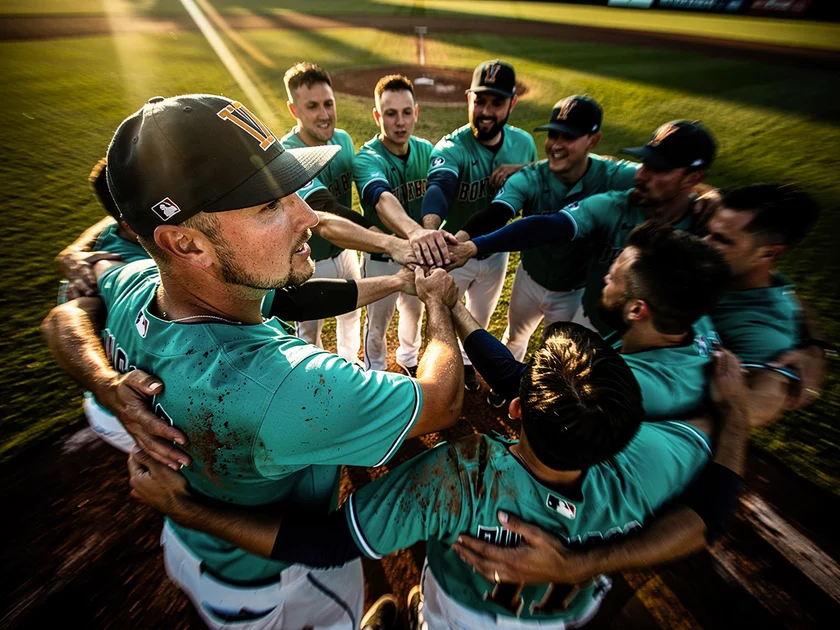
Pittsburgh Pirates Open Spring Training vs. Red Sox in 2026
The Pittsburgh Pirates faced the Boston Red Sox on March 8, 2026, in a spring training contest at a Florida venue, with right-hander Bennett drawing the start for Pittsburgh. Bennett entered the game carrying a 6.75 ERA and a 0-0 record through early Grapefruit League action, giving the Pirates coaching staff a live look at a pitcher competing for a rotation or bullpen role. Spring training matchups like this one carry real weight for a franchise that has spent the better part of three seasons rebuilding its pitching depth from the ground up.
The Bucs, as South Side loyalists and North Shore diehards alike call them, enter 2026 with a roster that is far from locked in. Both Pittsburgh and Boston are sorting through competition at multiple roster spots, and early March games offer the first meaningful data points of the new year. Breaking down the advanced metrics from these early outings will matter more than the box score alone.
Pittsburgh Pirates Spring Training Context and Background
Spring training is the proving ground where Pittsburgh Pirates roster decisions begin to crystallize. The Pirates enter 2026 with several open competition spots across their pitching staff and lineup, and early Grapefruit League results — however limited in sample size — establish initial impressions that managers and front offices carry into the final weeks of camp.
Bennett’s 6.75 ERA in early spring work is a number that deserves context rather than alarm. Spring ERA figures are notoriously noisy; pitchers routinely sacrifice results for workload management, pitch-mix experimentation, and mechanical refinement. A starter posting a 6.75 ERA in the first week of March may be working on a new grip on his slider or deliberately throwing fastballs up in the zone to build arm strength. The numbers suggest caution before drawing firm conclusions from this small sample.
Stay in the game
Get the latest MLB news and analysis delivered to your inbox.
On the other side of the diamond, Boston arrived in camp with its own roster questions. According to Boston.com, four under-the-radar Red Sox players are standing out in spring training as the club works to finalize its 26-man roster. That competition mirrors what Pittsburgh faces — a mix of veterans holding off younger challengers and fringe arms fighting for the final bullpen spots that define a team’s depth through a 162-game schedule.
What Does Bennett’s Start Tell Us About the Pirates Rotation?
Bennett’s outing on March 8 offers the Pirates an early read on a pitcher whose role in 2026 is not yet defined. A 6.75 ERA across early spring innings is too small a sample to project FIP or ERA+ with any confidence, but the underlying pitch data — spin rate, exit velocity allowed, and zone rate — will tell the real story once Statcast captures enough plate appearances to build a reliable picture.
The numbers reveal a pattern that has defined Pittsburgh’s pitching development strategy in recent years: prioritize stuff metrics and swing-and-miss rates over raw ERA in spring. A pitcher who generates high chase rates and barrel suppression in March, even while allowing runs, often profiles better for a full season than one whose spring ERA flatters a mediocre arsenal. Pittsburgh’s player development staff has leaned into this philosophy, and Bennett’s spring line should be evaluated through that lens rather than the traditional ERA-first framework.
Tracking this trend over three seasons, the Pirates have consistently used Grapefruit League starts to push younger arms into high-leverage counts against live competition. The goal is not to win spring games outright but to stress-test pitch mixes and refine mechanics before the calendar flips to April. Bennett’s early ERA, in that context, is a data point rather than a verdict.
Key Developments From the March 8 Matchup
The March 8 game between Pittsburgh and Boston produced several notable developments worth tracking as both clubs finalize their rosters over the final weeks of spring camp.
Right-hander Bennett started for the Pittsburgh Pirates with a 0-0 record and a 6.75 ERA entering the game, placing him squarely in the mix for a rotation or bullpen role.
Boston’s roster competition is ongoing, with four under-the-radar Red Sox players drawing attention from the coaching staff in early spring action.
The Pirates’ pitching staff depth is a primary focus of Pittsburgh’s 2026 spring evaluation, with multiple arms competing for final roster spots.
The game was scheduled as a standard Grapefruit League contest, giving both clubs a chance to log innings and at-bats against major-league competition before the regular season begins.
Spring training ERA figures for pitchers like Bennett carry limited predictive weight on their own; FIP, whiff rate, and barrel rate allowed are the metrics that more accurately project full-season performance.
How Will the Pittsburgh Pirates Build Their 2026 Roster From Here?
The Pittsburgh Pirates face a familiar set of roster construction decisions as spring training moves into its second and third weeks. Pitching depth, lineup versatility, and bullpen configuration are the three areas where the front office will make its most consequential choices before Opening Day arrives in late March or early April.
Based on available data from early camp, the Pirates are evaluating pitchers like Bennett not just for their spring ERA but for their ability to miss bats and limit hard contact — the two outcomes that most reliably translate from Grapefruit League action to regular season results. Pittsburgh’s front office, operating under a payroll structure that demands efficiency in player development, cannot afford to carry roster spots on arms that post clean spring ERAs by avoiding contact rather than missing bats.
The salary cap implications of these roster decisions will ripple through the next two or three seasons. Pre-arbitration players who earn roster spots in 2026 lock in cost-controlled years, which is why the Pirates’ draft strategy analysis and minor league pipeline matter so much to how this club is constructed. Pittsburgh has leaned on that pipeline aggressively, and the players competing in these early spring games represent the return on that investment.
One counterargument worth acknowledging: spring training performance data has limited predictive validity at the team level. Clubs that dominate Grapefruit League play do not consistently outperform their preseason projections once the regular season begins. The Pirates’ coaching staff understands this, which is why individual pitch-mix evaluations and defensive scheme breakdowns carry more weight in Pittsburgh’s internal assessments than the win-loss record in March. The goal, based on how this front office has operated, is to arrive at Opening Day with the right 26 men rather than the most impressive spring record.