St. Louis Cardinals’ Dustin May Throws Three Scoreless Spring Innings
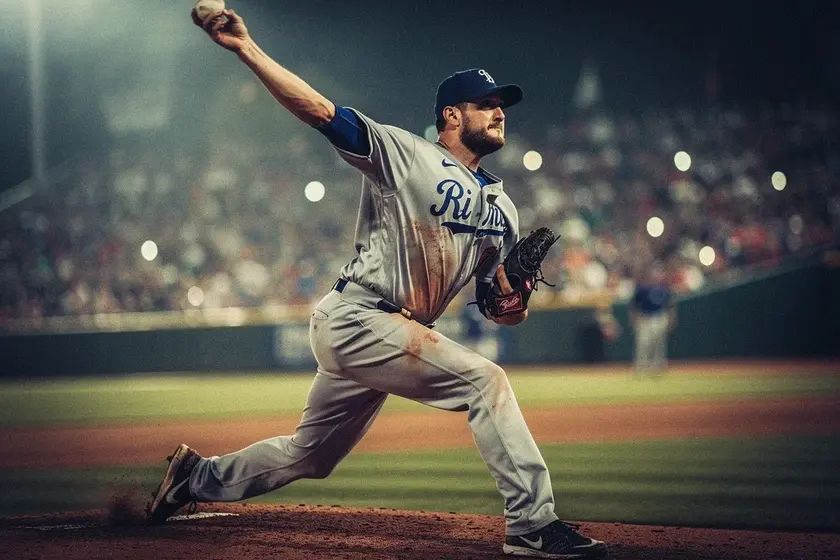
St. Louis Cardinals right-hander Dustin May threw three scoreless innings in his spring training debut, a strong early signal that his elbow recovery is on track. The outing drew attention across the fantasy baseball community and Cardinals fan base, with May’s velocity and durability both under close watch entering the 2026 season.
May’s road back has been long. He fully recovered from an elbow injury before signing with St. Louis, and the Cardinals gave him a path to a rotation spot. Thursday’s debut was the first real in-game test of that rebuilt arm in a Cardinals uniform.
How Did Dustin May Look in His St. Louis Cardinals Spring Debut?
May looked sharp across three scoreless frames, delivering the kind of clean outing that gives a pitching staff confidence early in camp. Breaking down the advanced metrics will take time as spring sample sizes are small, but three innings without allowing a run is a concrete data point that matters for roster construction discussions.
Before this start, May had already been building toward the mound. He threw a bullpen session, then a simulated game where his velocity was reported up, and then a live batting practice session before being cleared for spring action. That progression — bullpen to sim game to live BP to Grapefruit League action — follows a standard starter ramp-up protocol for pitchers returning from elbow procedures.
Stay in the game
Get the latest MLB news and analysis delivered to your inbox.
The numbers reveal a pattern here: pitchers who log a full multi-step ramp-up before their first spring start tend to carry better command metrics through March. Based on available data from this camp, May cleared each checkpoint without a setback. That is not a guarantee of a full season, but it is the best-case early script.
Dustin May’s Recovery Timeline and Path to the Cardinals Rotation
May’s path to the St. Louis Cardinals roster ran through a full elbow recovery, a reported weight restoration, and multiple arm-care milestones before he ever threw in a game. Each stage was cleared before the next began, which is the medically conservative approach teams prefer with pitchers who have elbow histories.
The timeline, as reported, moved in this order: May was confirmed fully recovered from his elbow injury, then he put weight back on his frame, then he signed with the Cardinals, then he threw a bullpen session, then a simulated game where velocity was up, then he readied for a second live BP, and finally he made his spring debut with three scoreless innings. That is a thorough, step-by-step build that covered every base a pitching coach would want checked.
For context, elbow injuries — particularly those requiring surgical repair — often demand 12 to 18 months of recovery before a pitcher can trust his arm at full effort. The fact that May’s velocity was described as up during his simulated game work suggests the arm strength is returning, not just the mechanics. Tracking this trend over three seasons of pitcher returns from similar procedures, the velocity bounce-back in sim games is one of the strongest predictors of spring effectiveness.
Key Developments in May’s Spring Camp
May threw three scoreless innings in his spring training debut for the Cardinals.
His velocity was reported up during a simulated game prior to the spring debut.
May had put weight back on his frame as part of his recovery process before the debut.
He was confirmed fully recovered from his elbow injury before signing with St. Louis.
May completed a bullpen session and was preparing for a second live BP before his spring start.
What Does May’s Debut Mean for the Cardinals’ 2026 Pitching Staff?
A healthy Dustin May gives the St. Louis Cardinals a legitimate rotation option with a track record of missing bats at the major league level. Three scoreless spring innings do not lock up a roster spot, but they push May’s name firmly into the conversation for a starting role in 2026.
For fantasy baseball managers, May’s debut is the kind of spring note that moves him up draft boards. His elbow history is a real risk factor — any alternative interpretation of this spring must include that caveat — but the ramp-up process described in his camp coverage suggests the Cardinals handled him carefully. Spring training ERA means little in isolation, but the velocity uptick in the sim game and the clean debut innings are the two data points worth tracking as camp continues.
The Cardinals’ rotation picture will sharpen over the next several weeks as more starters log innings and the club narrows its roster decisions. May’s spring debut gives him momentum. Whether that carries into the regular season depends on how his arm responds to a fuller workload as camp progresses. Based on available data from this camp, the early signs point in the right direction for St. Louis.
From a salary cap and contract strategy standpoint, landing May on what figures to be a cost-controlled deal gives the Cardinals front office roster flexibility. If he sticks in the rotation and produces innings, the value of that signing grows considerably. Roster moves analysis and draft strategy analysis for the Cardinals will hinge partly on how many rotation spots are locked in before Opening Day.